Regular vet checkups and preventive care are essential. Keep an eye on their ears and joints as they grow to ensure a long, healthy life.
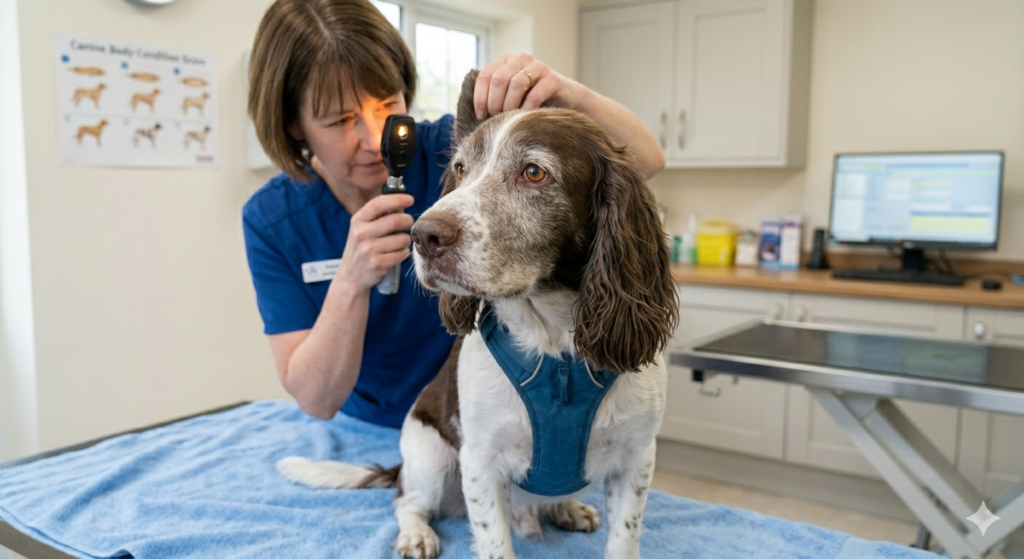
Spaniels are widely celebrated for their intelligence, affectionate temperaments, and exceptional hunting heritage. However, the same genetic traits that give spaniels their signature look—such as their long, heavy ear flaps and soulful eyes—also predispose the breed family to specific health conditions.
Understanding these common breed-specific health and wellness considerations allows owners to take a proactive approach to preventative care, ensuring their spaniel enjoys a long, vibrant life.
1. Otitis Externa (Chronic Ear Infections)
By far the most common health issue across the entire spaniel family is otitis externa, or inflammation of the external ear canal.
- The Cause: The classic pendulous, heavy ear flaps of a spaniel look beautiful, but they trap warmth and moisture inside the ear canal, creating a perfect dark incubator for bacteria and yeast to thrive. This risk multiplies if the dog loves swimming or has underlying skin allergies.
- Symptoms: Head shaking, persistent scratching at the ears, a foul or sweet odor, and a dark waxy discharge.
- Prevention: Inspect ears weekly. Use a vet-approved drying cleanser after baths or swims, and consider using a narrow “spaniel bowl” to keep their ear flaps dry during mealtime.
2. Inherited Ophthalmic (Eye) Conditions
Spaniels are prone to several genetic eye disorders that can impact their quality of life or eventually lead to blindness if left unchecked.
Progressive Retinal Atrophy (PRA)
PRA is an inherited disease where the cells of the retina gradually degenerate over time. Early signs include night blindness (hesitation to go out in the dark), which eventually progresses to total vision loss. Responsible breeders utilize DNA testing to screen parent dogs for the PRA gene mutation before mating.
Cataracts and Cherry Eye
Many spaniels, particularly Cocker Spaniels, have a higher genetic likelihood of developing cataracts—cloudy spots on the eye lens that block light. They are also prone to “cherry eye,” a prolapse of the gland in the third eyelid that appears as a red, swollen mass in the corner of the eye and typically requires simple surgical correction.
3. Orthopedic and Joint Vulnerabilities
As active sporting dogs, spaniels rely heavily on their structural soundness, yet the breed family carries predispositions to specific skeletal issues.
- Hip and Elbow Dysplasia: This occurs when the ball-and-socket joints of the hip or elbow develop abnormally, causing the joint components to grind rather than glide smoothly. Over time, this leads to painful arthritis, stiffness, and lameness.
- Luxating Patella: More common in smaller spaniels, this is a condition where the kneecap temporarily or permanently slips out of its anatomical groove. It often manifests as a sudden “skipping” or limping gait while running.
4. Weight Management and Metabolic Health
Spaniels are famously food-motivated and excellent scavengers, which makes them highly susceptible to obesity.
| Wellness Threat | Impact on Spaniels | Management Strategy |
| Obesity | Extra weight places devastating structural stress on dogs with dysplasia or Intervertebral Disc Disease (IVDD). | Strict portion control, avoiding table scraps, and tracking body condition scores. |
| Hypothyroidism | An underactive thyroid that slows metabolism, causing unexplained weight gain, lethargy, and poor coat quality. | Routinely screened via blood tests during annual vet visits and treated with daily hormone supplements. |
5. Rare but Serious Genetic Conditions
Depending on the specific branch of the spaniel family, a few rare, recessive genetic conditions require awareness:
- Phosphofructokinase (PFK) Deficiency: Found primarily in English Springer and Cocker Spaniels, this metabolic disorder lacks an enzyme vital for turning glucose into usable muscle energy. It causes bouts of muscle weakness, hyperventilation, and anemia.
- Fucosidosis: A severe, fatal neurodegenerative condition primarily seen in specific English Springer Spaniel lines. It results from an enzyme deficiency that allows complex sugars to build up in the nervous system, leading to coordination loss and behavioral shifts between 1 and 4 years of age.
Note: Due to rigorous DNA screening by ethical breeding clubs over the last few decades, conditions like PFK deficiency and Fucosidosis have been drastically minimized in modern populations.
The Golden Rule of Spaniel Wellness
The foundation of spaniel health is built on prevention and screening. When looking for a puppy, always request official health clearances (such as hip scores and DNA eye certificates) for the sire and dam. For existing spaniel owners, pairing a consistent home grooming routine with twice-yearly veterinary wellness checkups is the most effective way to catch subtle physical changes early, keeping your companion happy, agile, and comfortable.