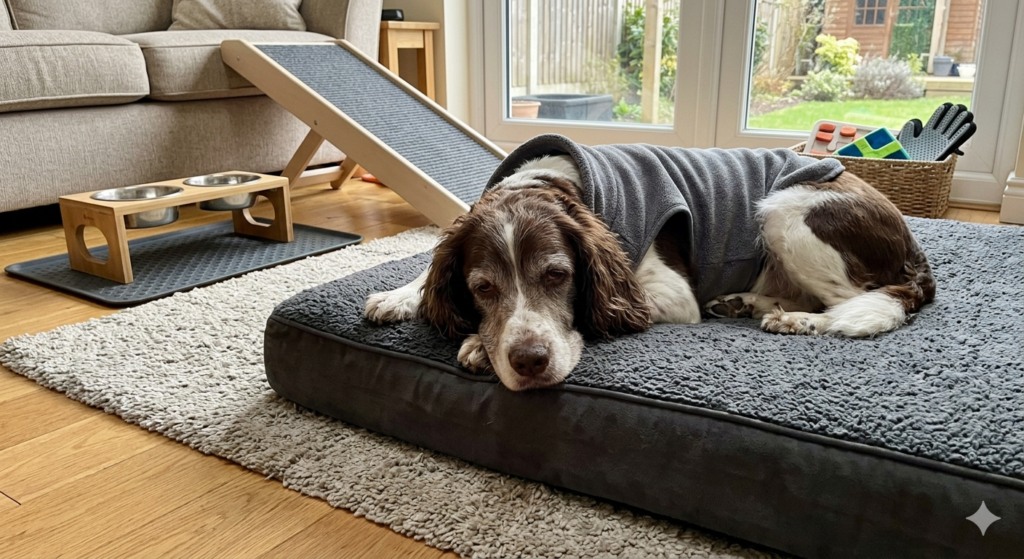
Watching a beloved spaniel step gracefully into their senior years is a deeply rewarding experience. Whether you share your home with an elegant English Springer, a merry Cocker, or a gentle Cavalier, spaniels are famous for their soulful eyes, floppy ears, and unwavering loyalty.
However, as they age—typically entering their senior years around age 7 to 9—their bodies change. Stiffening joints, fading senses, and a slower metabolism mean their daily care needs an upgrade.
Keeping your aging spaniel thriving, pain-free, and thoroughly comfortable in their golden years requires focus on a few key areas.
1. Ergonomic & Environmental Adjustments
Your home layout should change alongside your dog’s mobility. Spaniels are prone to orthopedic issues like hip dysplasia and arthritis, making everyday navigating a challenge.
- Upgrade to Orthopedic Bedding: Ditch the basic plush mats. Senior spaniels need thick, memory-foam orthopedic beds that distribute weight evenly and relieve pressure on aching joints. Place beds in quiet, draft-free areas of the house.
- Tackle Slippery Floors: Hardwood, tile, and laminate floors are a major slipping hazard for a dog with weakening hind legs. Lay down non-slip rugs or interlocking foam mats along your dog’s frequent pathways to provide traction and prevent painful wipeouts.
- Elevate Food and Water Bowls: Bending all the way down to the floor strains an aging neck and spine. Raising their dishes to chest height makes mealtime physically relaxing and improves digestion.
- Install Ramps or Steps: If your spaniel still loves sleeping on the sofa or joining you in bed, place pet ramps or specialized shallow steps next to furniture to eliminate high-impact jumping.
2. Senior-Specific Grooming Routines
A spaniel’s gorgeous coat and signature long ears require rigorous maintenance throughout their life, but senior grooming requires a gentler touch.
Ear Care Protocols
Because of their heavy, hanging ear flaps, spaniels are notoriously prone to ear infections. In older dogs, reduced immune response and lower mobility make ear hygiene critical. Inspect ears weekly for redness, debris, or an unpleasant odor, and use a vet-approved, gentle drying cleanser.
Coat and Skin Upgrades
Aging skin loses elasticity and thins out, making it easier to accidentally nick with clippers or pull with tight brushes. Switch to a soft-bristled brush or a rubber grooming mitt for daily sessions. Regular grooming is also the perfect time to gently feel for any new lumps, bumps, or skin changes that should be evaluated by a professional.
Nail Maintenance
Because senior dogs walk less and tread more softly, their nails don’t wear down naturally. Overgrown nails alter the angle of the paw, putting intense, unnecessary pressure on arthritic toe joints. Keep nails trimmed short every few weeks.
3. Tailored Nutrition & Weight Management
Slowing down means burning fewer calories. Allowing a senior spaniel to pack on extra pounds is incredibly damaging, as obesity places immense stress on already inflamed joints.
| Focus Area | Senior Requirement | Why It Matters |
| Caloric Density | Leaner formulas, lower calories | Prevents weight gain as metabolism and activity slow down. |
| Protein Quality | High-quality, easily digestible white meats (chicken, fish) | Maintains essential lean muscle mass without overworking aging kidneys. |
| Joint Support | Enriched with Glucosamine, Chondroitin, and Omega-3 fatty acids | Actively reduces joint inflammation and supports cartilage health. |
Always transition to a senior formula gradually over 7 to 10 days to avoid upsetting an older dog’s sensitive digestive tract.
4. Modified Exercise & Mental Enrichment
“Slowing down” doesn’t mean stopping entirely. Gentle physical and mental activity is essential to prevent muscle wasting and stave off Canine Cognitive Dysfunction (CCD), often referred to as doggy dementia.
1.Shift to shorter, frequent walks:Daily routine.
Instead of one grueling 45-minute walk, split their activity into two or three brief 10-to-15-minute strolls. This keeps joints lubricated without causing exhaustion.
2.Let them sniff extensively:Mental workout.
Spaniels are scent hounds at heart. A “sniffari”—a slow walk where they are allowed to stop and catch every scent trail—is incredibly satisfying and burns mental energy without physical strain.
3.Introduce puzzle toys and snuffle mats:At-home enrichment.
Feed them meals using puzzle feeders or hide kibble inside a snuffle mat. Engaging their tracking instinct keeps their brain sharp, active, and focused.
5. Proactive Veterinary Care & Pain Management
Spaniels are incredibly stoic animals; they often hide chronic discomfort until it becomes severe. Relying on twice-yearly veterinary wellness checkups is the safest way to monitor their internal health.
Signs of Hidden Pain: Panting while resting, nighttime restlessness, hesitation before climbing a single step, reluctance to be touched along the back, or sudden behavioral changes like irritability.
If your veterinarian diagnoses arthritis or age-related issues, modern veterinary medicine offers an array of effective pain-management plans:
- Prescription NSAIDs: Targeted anti-inflammatory medications safely managed under vet supervision.
- Monoclonal Antibody Injections: Advanced monthly therapies that specifically block pain signals caused by arthritis.
- Alternative Therapies: Cold laser therapy, canine hydrotherapy (swimming in heated pools), and acupuncture can work wonders for restoring flexibility.
With a few thoughtful changes to their environment, a specialized health routine, and plenty of patience, you can ensure your spaniel’s golden years are filled with the comfort, peace, and dignity they deserve.