Traveling with your SpanielWiki can be a joy. Pack their essentials, plan for breaks, and ensure they are safely secured in your vehicle.
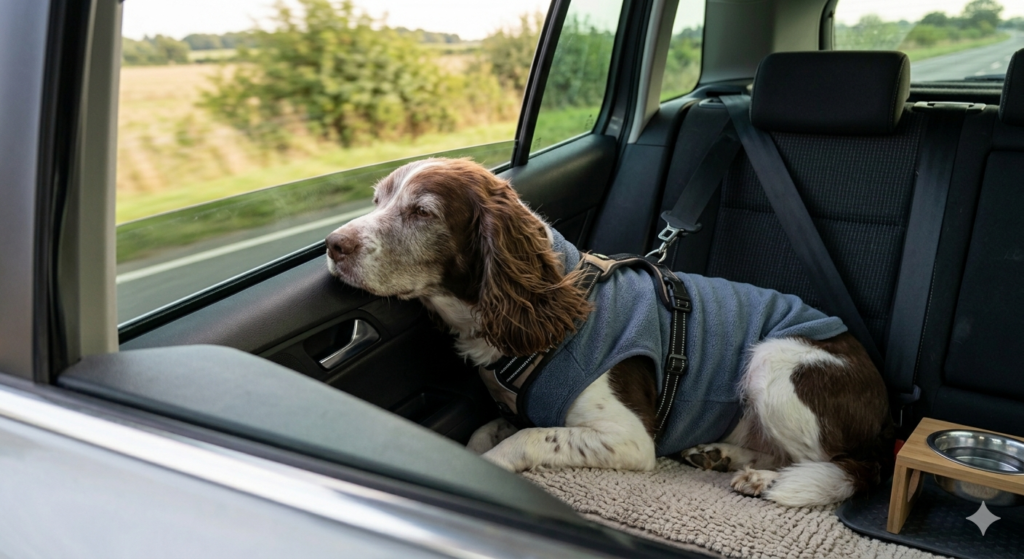
Whether you are planning a scenic weekend drive through the countryside or crossing time zones to a new destination, traveling with your spaniel can be an incredibly rewarding experience. Known for their adaptable nature and cheerful companionship, spaniels make wonderful travel partners. However, their signature long ears, high energy levels, and sensitive dispositions mean that successful travel requires careful planning.
This comprehensive guide covers everything you need to know to ensure a safe, comfortable, and stress-free journey with your spaniel, whether by land or by air.
1. The Pre-Trip Checklist: Preparation is Key
Before you pack the car or book a flight, a visit to the veterinarian is the most critical first step. Ensure your dog is up to date on all vaccinations, and request a copy of their medical records.
- Documentation: If you are crossing state lines or international borders, you will need a recent Certificate of Veterinary Inspection (CVI).
- Microchip & ID Tags: Make sure your spaniel’s microchip information is current in the registration database. Your dog should wear a sturdy collar with an ID tag containing your mobile phone number and, if possible, the address of your destination.
- Medication & First Aid: Pack an ample supply of any regular prescriptions, along with a basic canine first-aid kit containing bandage rolls, antiseptic wipes, tweezers, and styptic powder.
2. Hit the Open Road: Car Travel Tips
Many spaniels love the car, associating it with trips to the park or field. However, safety must always come first on a long road trip.
Secure Restraint Systems
Never let your spaniel roam freely in the vehicle or sit in your lap while driving. An unsecured dog can become a dangerous projectile in a sudden stop. Instead, use a crash-tested travel crate placed in the cargo area, or a heavy-duty safety harness that attaches directly to the vehicle’s seatbelt system.
Managing Long Ears in the Car
Spaniels are famous for their beautiful, floppy ears, but these can cause minor issues on the road. If your dog enjoys looking out the window, keep the glass up high enough so they cannot stick their head completely out. High-speed wind can force debris into their eyes and long ear canals, leading to irritation or injury.
Planning Strategic Pit Stops
Because spaniels are active sporting dogs, staying cooped up for hours can lead to restlessness.
- Plan to stop every 2 to 3 hours at a safe, grassy area.
- Allow your dog to stretch their legs, relieve themselves, and drink fresh water.
- Always keep your spaniel on a leash during pit stops. Unfamiliar highway rest stops can have loud noises that might startle your dog, causing them to bolt.
3. Taking to the Skies: Airline Travel Protocols
Flying with a dog requires strict adherence to airline regulations, and protocols vary significantly depending on the size of your spaniel.
In-Cabin vs. Cargo Hold
- In-Cabin (Toy & Smaller Spaniels): Smaller breeds, such as the Cavalier King Charles Spaniel or smaller Cocker Spaniels, may be permitted to fly in the cabin if they fit comfortably inside an airline-approved, soft-sided carrier that slides completely under the seat in front of you.
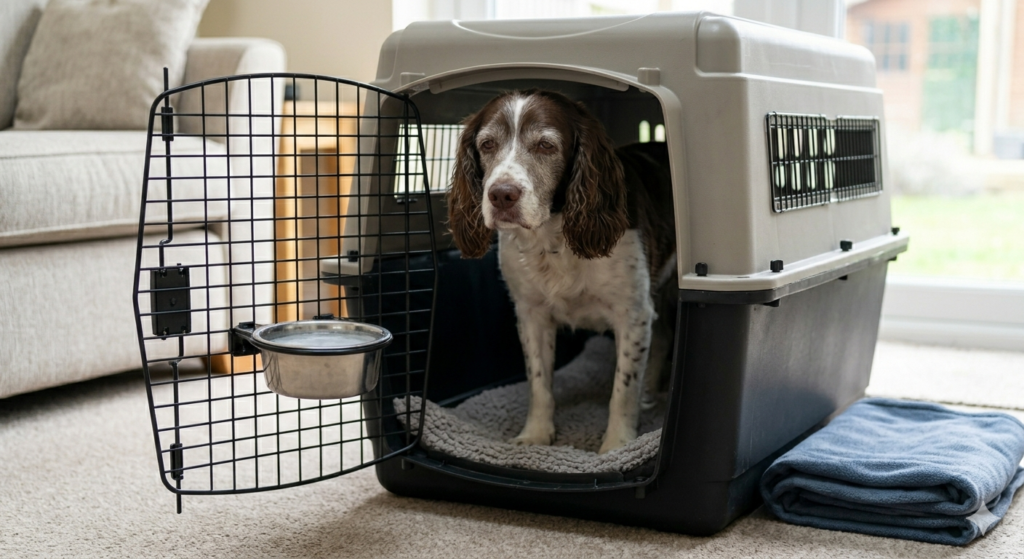
- Cargo Hold (Larger Spaniels): Larger breeds, like the English Springer or Clumber Spaniel, will typically need to travel in the climate-controlled cargo hold in a rigid, IATA-compliant plastic travel crate.
Preparing for the Flight
- Book Early: Airlines limit the total number of pets allowed on each flight. Book your pet’s ticket at the same time you buy your own.
- Acclimatize to the Crate: Spend weeks before the flight training your spaniel to view their travel carrier as a safe, relaxing space. Feed them meals inside it and practice closing the door for extended periods.
- Manage Food and Water: Feed your spaniel a light meal roughly 4 to 6 hours before departure to prevent motion sickness. Fix a crate-compatible water bowl to the inside of the door, filling it with frozen water before checking in so it doesn’t spill during boarding.
4. Packing Essentials for Your Spaniel
To keep your dog’s routine as stable as possible, pack a dedicated gear bag containing familiar items:
| Item Category | What to Pack | Purpose |
| Dietary | Regular kibble, bottled water, collapsible bowls | Avoids sudden dietary changes that cause stomach upset. |
| Grooming | Slicker brush, ear cleaner, old towels | Essential for cleaning muddy paws and drying ears after exploring. |
| Comfort | A favorite blanket, familiar chew toys | The scents of home help soothe anxiety in a new hotel room or rental. |
5. Arriving Safely at Your Destination
When you finally arrive at your hotel, campsite, or rental property, give your spaniel time to decompress. Set up their food bowls and bedding immediately to establish a “home base.”
Keep their feeding and walking schedule as close to their normal routine as possible. With a familiar routine and a prepared owner, your spaniel will quickly adjust, ready to explore new sights and scents right by your side.